

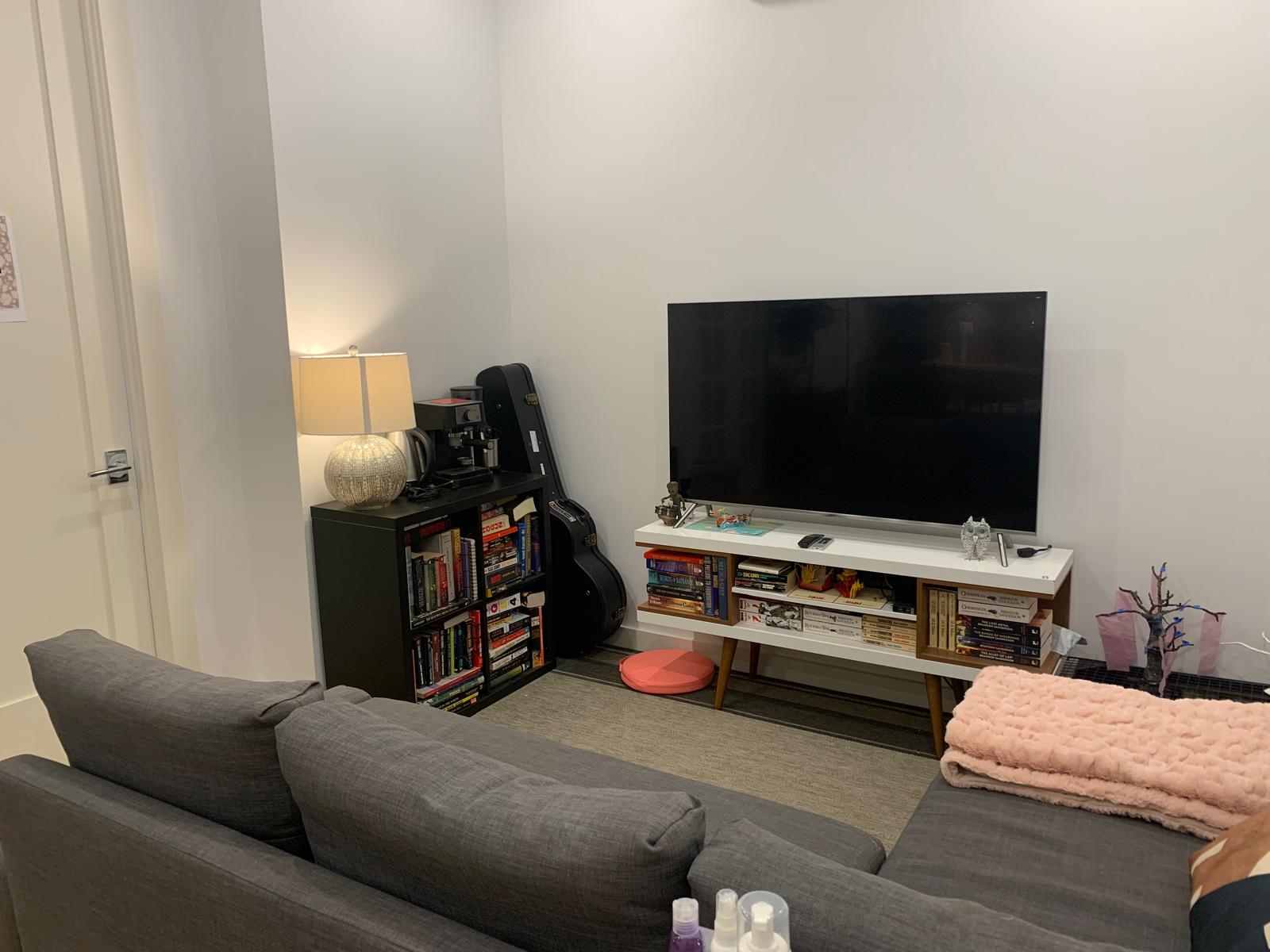
You Don’t Need To Own A Home For It To Feel Like Yours
I once told a friend that what I wanted most in life was a home where everything in it was my choice. Not necessarily a big place. Not something impressive. Just a space that felt fully mine.
He replied, almost casually: “You’d need to own it for that. And honestly, that feels impossible these days.”
At the time, I didn’t really argue with him. Because the idea that “home” and “ownership” are the same thing is something most of us absorb without ever questioning.
We tend to believe that ownership creates permanence, permanence creates identity, and identity creates home. So by default, a rental is treated as temporary. Borrowed. Not fully yours.
Which leads to a quiet pattern: you don’t fully settle in, you postpone decisions, you avoid shaping the space too intentionally, you treat it like a waiting room for a future life. Even if you end up living there for years.
But here’s what actually makes a home feel like yours
It is not ownership.
It is authorship.
Whether you own a space or not, the feeling of “this is mine” comes from something else entirely: how the space supports your routines, whether your habits have somewhere to land, whether you can move through it without resistance, whether the space reflects how you actually live.
A home doesn’t feel like yours because you bought it. It feels like yours because it starts behaving the way you do. Most people think they are waiting for the right apartment. More often, they are waiting for permission to treat the apartment they already have as if it matters.
It is not ownership. It is authorship.
Why rentals so often feel unfinished
The problem is not that rental apartments are temporary. The problem is that they are treated as temporary containers. People adapt themselves to the space instead of shaping how the space behaves.
Over time, this creates friction. Surfaces take on multiple roles at once, objects drift without clear homes, rooms feel almost functional but never fully resolved.
Slowly, the space stops feeling like somewhere you live. It becomes somewhere you manage. And this is where common advice misses the point.
People tell themselves, “I’ll fix it when I buy a place.”
But habits don’t wait for ownership. The patterns you build in temporary spaces follow you into the next apartment, and the one after that.The “real home” never arrives only new versions of the same spatial problems.
Why I think about space differently
My background is in scenic design as much as interior design.
In theatre, nothing is permanent. Everything is built for movement, timing, and temporary conditions. A set is not judged by how permanent it is, but by whether it supports what happens inside it. Can actors move through it naturally? Can scenes unfold without friction? Does the environment support the story?
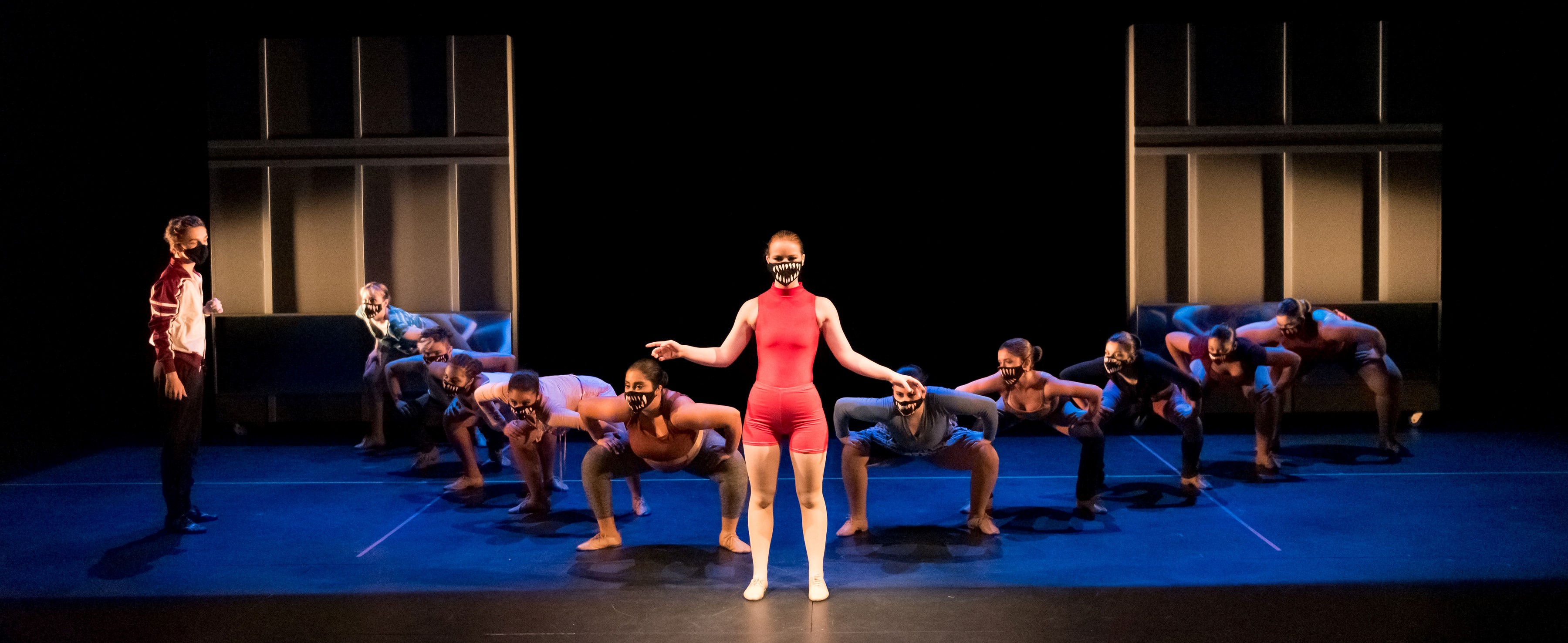
The same logic applies to homes. Most of what feels wrong in a rental isn’t visual. It’s behavioural. It is where daily life keeps bumping into the way the space works.
What actually changes in a well-designed rental
The changes are often invisible to everyone except the person living there.
No renovations. No construction. No dramatic transformation.
But something shifts.
The space develops a rhythm
In small homes, almost nothing has a single purpose. A dining table might also be a workspace, a puzzle surface, a place to eat, a place to host friends. That is not the problem.
The problem is when all of those functions exist at the same time. Good design is not about assigning single functions to space. It is about sequencing use. The space develops a rhythm:
setup → use → reset → shift
Not permanent separation just fewer collisions.
Movement becomes unconscious again
You stop negotiating with the environment. You stop working around awkward systems. You stop avoiding corners or improvising every action.
The space becomes legible again.
Objects stop disappearing from your life
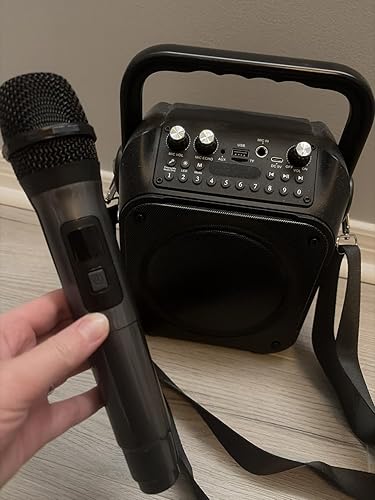
One client owned a karaoke machine she genuinely loved. But it wasn’t being used. Not because she didn’t like it, but because it had been placed out of sight. So it slowly stopped existing in her daily awareness.
This is something traditional design rarely addresses.
Some objects are clutter. Some objects are part of your life. And some objects are simply forgotten.
Instead of hiding it further, we repositioned it, not to display it, but to bring it back into awareness. The result wasn’t aesthetic. It was behavioral. She started using it again.
Design is not about what fits. It’s about what continues.
I used to work on puzzles on my dining table. For years, the system worked. I would move things around, use the space, then reset it when needed. But in my current apartment, the dining table became shared territory for board games and social use.
Two activities were competing for the same surface.
At first, I adapted. But the puzzle stopped continuing. It kept getting packed away. So I changed the system instead.
I bought a puzzle foam board that slides under the sofa. Not because I needed better storage. But because I needed the activity to survive the environment.
That revealed something important: Design is not about what fits into a space. It is about what continues to exist within it.
So what actually creates a home?
Not ownership. Not permanence. Not aesthetics.
A home is a system that supports how your life actually moves.
Where your habits have somewhere to land. Where daily actions don’t require negotiation. Where the environment quietly supports repetition instead of resisting it.
Most people try to solve this through objects or decoration.
But the real shift happens earlier. It is not about what you put into a space. It is about whether the space can hold the way you already live.
And if it can’t, no amount of styling will fix it.
You will keep adapting yourself to the space, instead of the space adapting to you.
If this resonates
This is the kind of work I do at After Dark Studio.
I help renters shape spaces around how they actually live, using what they already have, without renovation or unnecessary spending.
If your apartment feels like it’s almost working, but never quite comes together, it is usually not the furniture.
It is the system.
Book a free 15-minute Home Fit Call
Not ready for that?
Join the mailing list for occasional essays on rental living, small-space design, and the relationship between homes and everyday life.
No spam. Just occasional notes on how people actually live in small spaces.
You might also like: Why your rental apartment never feels finished (even when it looks fine).